
The Apostle, the Saltire and the enduring spirit of Scotland
Saint Andrew holds a special place in the history, faith and identity of Scotland. As the country's patron saint, his name and symbol have become inseparable from Scotland's national story. For Scots throughout the world, including members of the Clan Campbell Society, Saint Andrew represents an enduring connection to Scotland, its traditions and its proud heritage.
Who Was Saint Andrew?
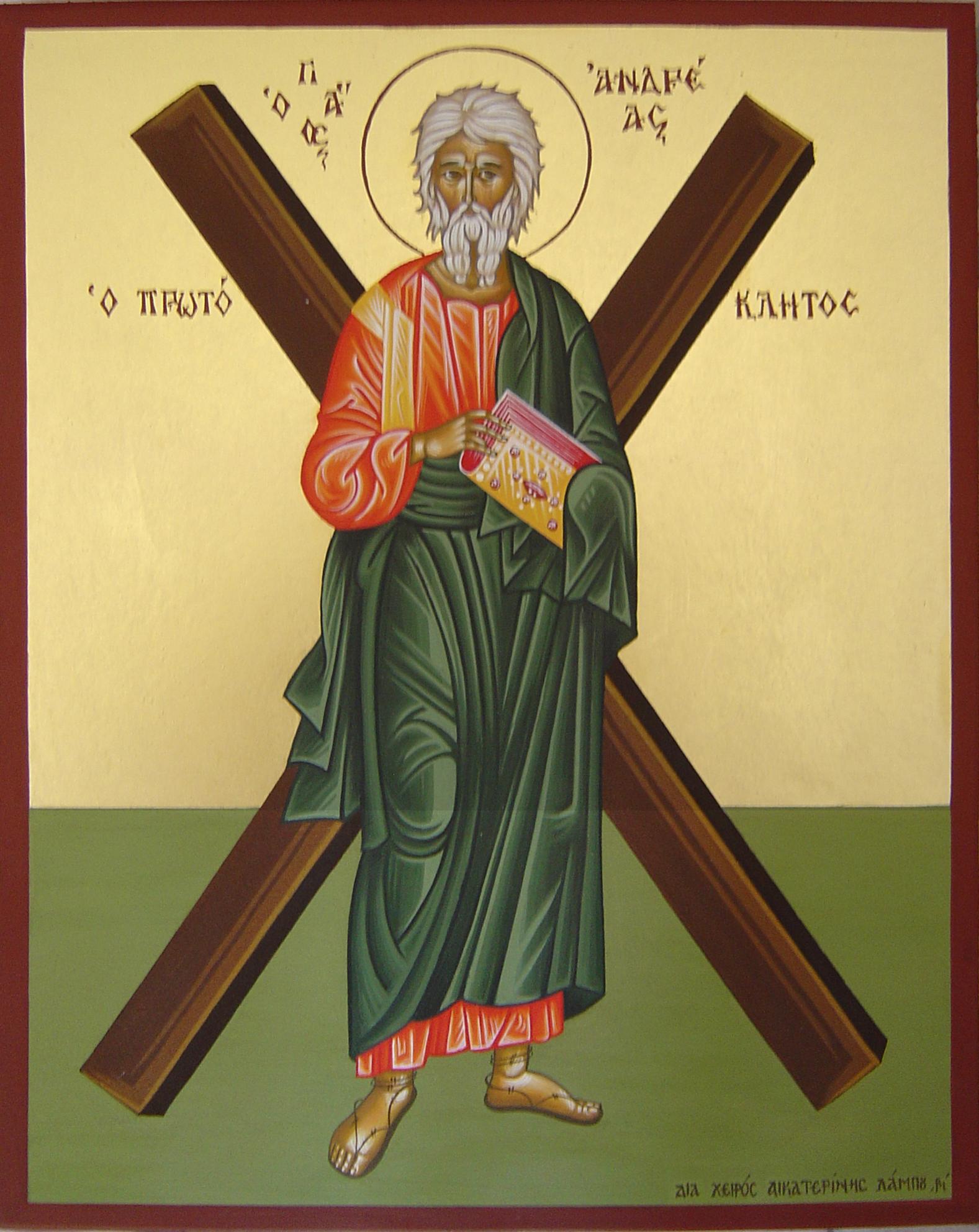
Andrew was one of the twelve apostles of Jesus Christ and, according to the Gospels, one of the first disciples called by Christ. A fisherman from Galilee, he was the brother of Simon Peter.
Christian tradition holds that Andrew traveled widely preaching the Gospel. He eventually suffered martyrdom at Patras in Greece, where he was crucified upon a diagonal, X-shaped cross. Tradition relates that he considered himself unworthy to die upon a cross of the same shape as that upon which Christ had been crucified.
This distinctive cross became known as the Cross of Saint Andrew, or the Saltire.
How Saint Andrew Became Scotland's Patron Saint
Although Saint Andrew never visited Scotland according to historical evidence, his association with the country reaches back many centuries.

One longstanding Scottish tradition tells of a Greek monk, Saint Regulus (also known as Saint Rule), who brought relics of Saint Andrew to the east coast of Scotland. These were said to have been deposited at the place that eventually became known as St Andrews, in Fife.
Another famous legend tells of King Óengus of the Picts, who, before a battle against the Angles, witnessed a white cross appearing in the blue sky. Taking this as a sign of divine protection through Saint Andrew, he promised that the saint would become the protector of his people if victory followed.
The Picts were victorious, and the diagonal white cross upon a blue background became associated with Saint Andrew and Scotland.
These accounts belong to Scotland's traditional history and national legend, and they have helped shape the country's identity for generations.
The Saltire – Scotland's National Flag
The Saltire, the white diagonal cross upon a blue field, is one of the world's most recognizable national flags.

Its design recalls the traditional account of Saint Andrew's martyrdom and his special relationship with Scotland. It has become a powerful symbol of Scottish nationhood, independence, heritage and pride.
The Saltire is especially meaningful to Scots living abroad. Wherever it is flown, it serves as a reminder of ancestral homeland, family history and the traditions passed down through generations.
For members of the Clan Campbell Society, the Saltire provides a familiar and enduring emblem of the Scottish heritage we share.
Saint Andrew's Day – 30 November
Each year on 30 November, Scots at home and throughout the worldwide Scottish diaspora celebrate Saint Andrew's Day.
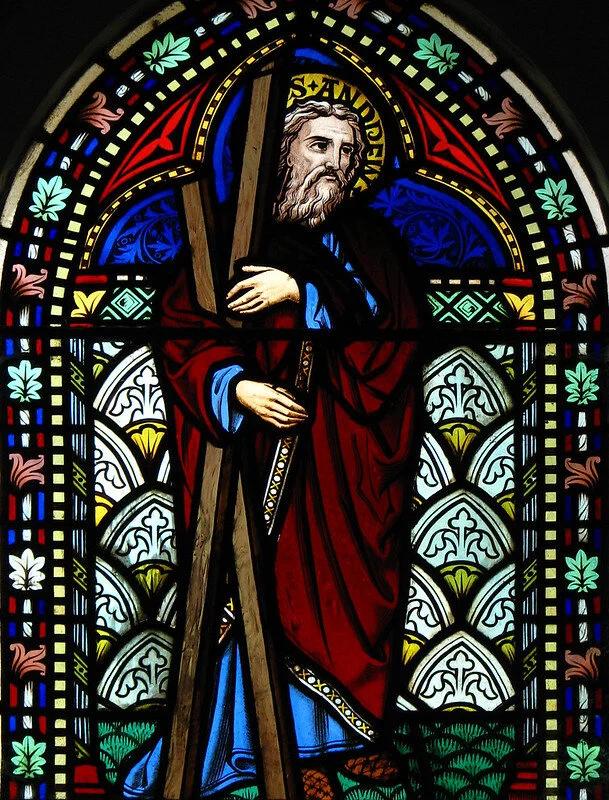
It is a time to recognize Scotland's history, culture and traditions. Celebrations often include traditional Scottish music, Highland dancing, poetry, Scottish food and the wearing of tartan.
For those whose families emigrated from Scotland many generations ago, the day offers an opportunity to remember their ancestors and celebrate the heritage that continues to connect families across continents.
A Scottish Heritage Shared Across Generations
Scotland's history is made up of the stories of its people, its ancient families, its clans and its communities. The traditions surrounding Saint Andrew remind us that national identity is more than a flag or a name. It is a shared inheritance of history, culture, faith and belonging.
The Clan Campbell Society is proud to recognise the traditions and symbols that have helped define Scotland through the centuries.
As we remember Saint Andrew, we also celebrate the enduring spirit of Scotland and the generations of Scots, including the Campbells, who have carried their heritage across the world.
On Saint Andrew's Day, wherever we may be, let the Saltire fly proudly!
Alba gu Bràth – Scotland Forever!